Did you know a typical quilter’s stash holds enough pre-cut fabric to make over 50 unique items? That’s the surprising power packed into those small, colorful bundles.
This guide unlocks the creative potential of your collection. We’ll explore how these versatile pieces can transform into beautiful, handmade treasures.
The beauty of a fat quarter lies in its perfect size. It’s large enough for substantial creations but small enough to encourage bold experiments with prints. This makes it a budget-friendly gateway to trying new styles.
Whether you’re just starting out or have years of experience, there’s inspiration here for you. You’ll find ideas that build skills and challenge seasoned makers.
Our goal is to help you work smart. Learn techniques to minimize waste and maximize your creative output from every piece of fabric you own.
Key Takeaways
- Versatile Foundation: These fabric pieces are the perfect starting point for a huge variety of creations, from home decor to personal accessories.
- Skill-Level Friendly: Ideas range from simple, beginner-friendly patterns to more complex designs for experienced crafters.
- Budget-Conscious Creativity: Their small size allows you to work with premium or bold prints without a major financial commitment.
- Stash-Busting Power: They are ideal for using up collected fabrics and turning them into coordinated, beautiful items.
- Efficient Design: Learn layouts and techniques specifically tailored to this cut to reduce fabric waste and get the most from your material.
- Endless Inspiration: A single stack can fuel dozens of projects, making them a cornerstone for a sustainable and joyful making practice.
Introduction to Fat Quarter Sewing Projects
Crafters across the country are discovering the joy of quick, satisfying makes with these versatile fabric cuts. They offer a perfect balance between creative freedom and practical material management.
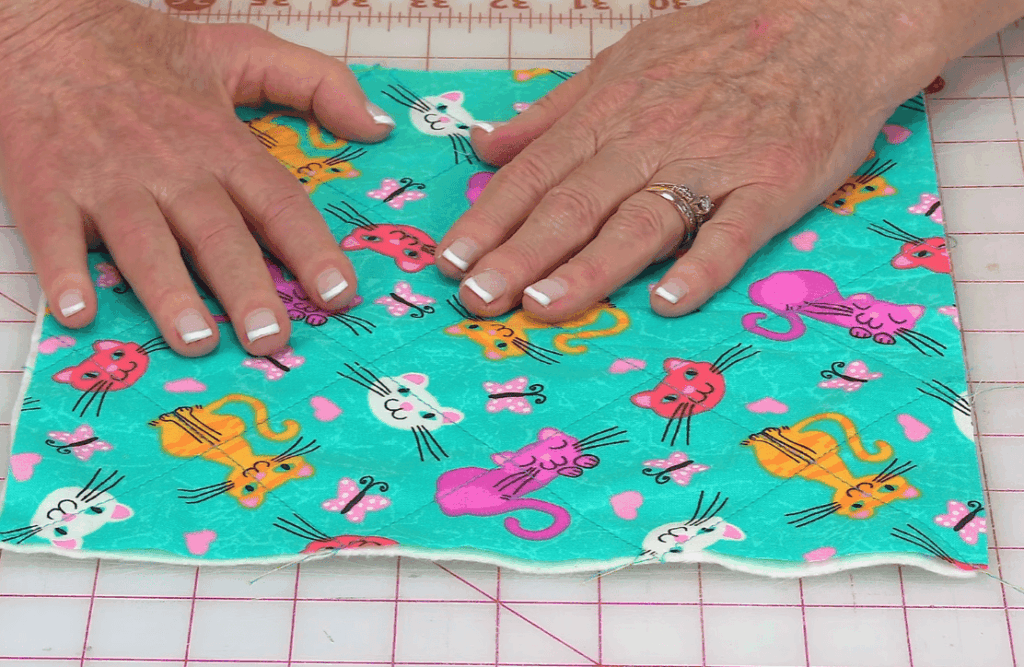
These pre-sized pieces are beloved by quilters. Yet their usefulness shines in countless one-and-done endeavors. Think home decor, clever organizers, and personal accessories.
Using a favorite print for a new kitchen item or bag is a smart move. It clears space in your creative room and gives pretty material a beautiful purpose. This approach is ideal for those just starting out.
The appeal lies in accessibility. You can experiment with trendy designer patterns or bold colors without a major financial commitment. It’s perfect for testing a new technique.
Many makers accumulate lovely collections over time. These endeavors provide the perfect chance to finally use those gorgeous pieces. Transform them into functional, beautiful items for your home.
They also make thoughtful, handmade presents for loved ones. From practical to stylish, there’s always a fresh and exciting idea to try.
What is a Fat Quarter?
Understanding the exact measurements of this common pre-cut can unlock its full creative potential. It’s a specific fabric cut beloved for its versatile shape.
Let’s start with the standard dimensions. A typical fat quarter measures 18 inches by 22 inches.
Definition and Measurements
This piece comes from one yard fabric. Imagine cutting that yard in half widthwise, then lengthwise. You get four equal rectangles.
Compare this to a standard quarter yard. That traditional cut is long and skinny, measuring 9″ by the full fabric width.
The fat version is much wider. This shape gives you more usable area for your creative work.
Common Variations in Size
The exact size can vary slightly. This depends on the original bolt’s width.
Some pieces might be 18″ by 20″. Others could be 19″ by 21″. These small differences are normal.
Always measure your fat quarter before starting a precise pattern. This ensures your pieces fit perfectly.
This clever fabric cut maximizes what you can make from a single yard. It’s a smart foundation for countless beautiful items.
Benefits of Using Fat Quarters for Sewing
Unlocking a material’s potential isn’t just about skill—it’s about starting with the right foundation. These pre-cuts offer a unique blend of affordability and creative freedom.
They are easy on the budget, letting you stock up on gorgeous fabrics without a big spend. This allows for bold experiments with designer prints.
Maximizing Fabric Use
The dimensions of a fat quarter make it incredibly efficient. Its square-like shape allows for cutting larger pieces with less waste.
Compared to long, narrow strips, you get more usable area from each piece. This design minimizes leftover fabric scraps significantly.
Many endeavors are crafted to use the entire piece. Any small scraps that remain are perfect for tiny, charming makes.
Versatility in Projects
These pieces shine across a huge range of creations. They work equally well for quilting blocks and small accessories.
You can make home décor items or fun children’s crafts. The quick-sewing nature of many patterns is perfect for last-minute gifts.
Their uniform size also makes storage and organization a breeze. This is a major advantage for makers with limited space.
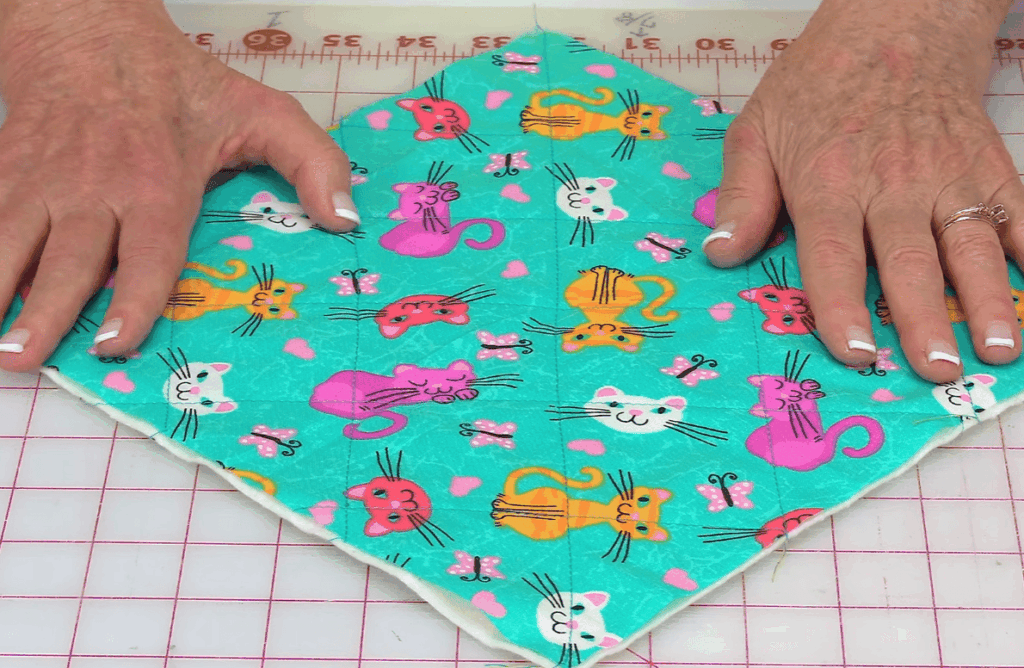
Fat Quarter Sewing Projects Must-Try Ideas
With over 30 quick and budget-friendly options, your creative stash can become a source of daily joy. The world of these endeavors is incredibly diverse.
It spans from practical everyday items to decorative pieces that add personality to your home. You will never run out of creative ways to use these versatile fabric cuts.
Kitchen and dining makes are particularly popular. Think tea towels, pot holders, and cloth napkins.
Gift-making becomes easy and affordable. Create thoughtful, personalized presents like zipper pouches and fabric boxes.
Home organization is another game-changer. Fabric baskets and desk caddies combine beauty with functionality throughout your house.
Quick-sew items offer immediate gratification. Coasters, pin cushions, and keychains are perfect for last-minute needs.
Baby and children’s items also shine at this scale. Bibs, bandanas, and small pillows make adorable gifts.
| Project Category | Example Items | Key Benefit | Skill Level |
|---|---|---|---|
| Accessories & Bags | Scrunchies, Totes, Pouches | Uses 1-2 cuts, stylish results | Beginner to Intermediate |
| Kitchen & Dining | Towels, Bowl Cozies, Runners | Adds handmade charm, functional | Beginner |
| Gifts & Personal Items | Coin Purses, Travel Organizers | Personalized, cost-effective | Beginner |
| Home Organization | Storage Baskets, Hanging Caddies | Declutters with style | Intermediate |
This table highlights just a few paths for your quarter projects. Let it inspire your next beautiful make.
DIY Home Décor with Fat Quarters
Imagine transforming your favorite prints into functional art for every room in your house. This diy approach lets you infuse personal style while creating useful items for your home.
Wall Decor and Kitchen Towels
Frame a beautiful fat quarter as instant art or create a simple fabric banner. It’s a wonderful way to showcase material you love rather than hiding it away.
In the kitchen, make pretty towels from two coordinating fat quarters. They add handmade charm and are completely machine-washable for daily use.
Table Runners and Organizers
Table runners let you showcase piecing skills. A free pattern for an ombre style creates a stunning gradient effect on your dining table.
For home organization, try a hanging caddy with pockets or a structured basket. These diy solutions are perfect for entryways and craft rooms. You can even experiment with cork or burlap fabric for unique texture.
The beauty is coordinating with your existing décor while creatively using your stash.
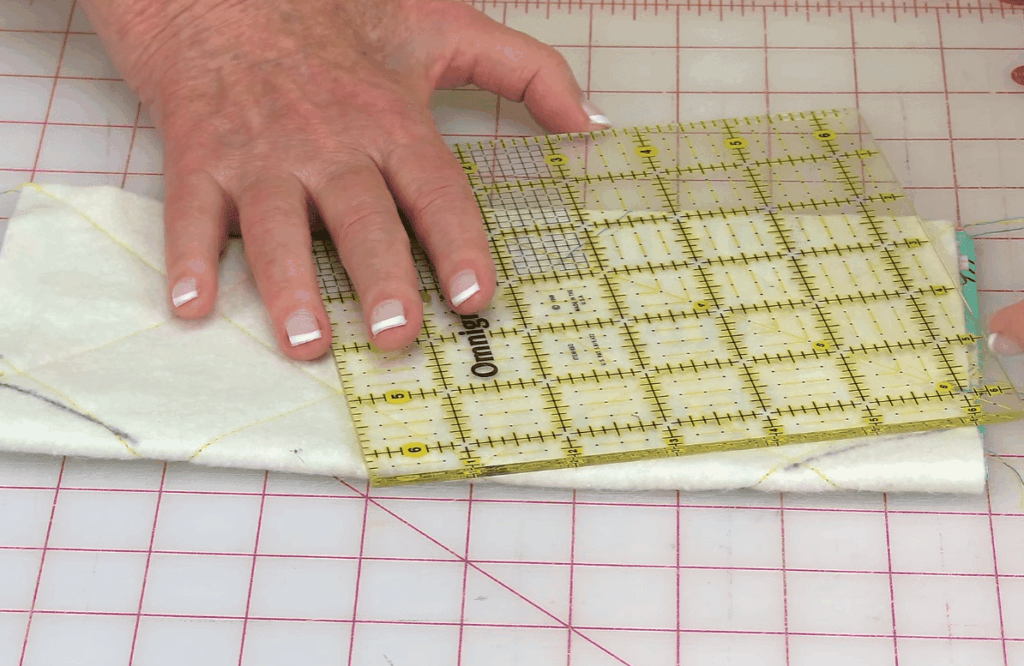
Quick & Easy Fat Quarter Sewing Tutorials
When time is short but creativity calls, these speedy fabric tutorials deliver satisfying results in minutes. They are perfect for makers seeking immediate gratification or a last-minute gift solution.
Hair scrunchies are a fantastic starting point. You only need one fabric cut, some elastic, and basic skills. The result is a trendy accessory in endless color combinations.
The famous 7-minute zipper bag guide is a beloved quick project. It teaches lining installation and zipper insertion. Beginners gain confidence while creating a useful pouch.
A quilted pin cushion is wonderful for using small scraps. This easy endeavor lets you practice quilting on a tiny scale. You also create an essential tool for your workspace.
Many free online guides break down techniques into simple steps. Look for detailed photo tutorials from trusted creators. These resources make new skills feel manageable.
Coasters, keychains, and small pouches round out the quick-sew category. Each requires minimal material and time. They produce practical items you’ll actually use or give as thoughtful presents.
| Project | Time Estimate | Skills Practiced | Best For |
|---|---|---|---|
| Hair Scrunchies | 15-30 minutes | Straight stitching, elastic insertion | Last-minute gifts, using bold prints |
| 7-Minute Zipper Bag | 7-15 minutes | Lining, zipper installation | Beginner confidence, small organizers |
| Quilted Pin Cushion | 20-40 minutes | Basic quilting, stuffing | Using scraps, essential toolmaking |
| Fabric Coasters | 10-20 minutes | Topstitching, binding | Quick home decor, testing new fabric |
Crafting Bags, Pouches, and Wallets from Fat Quarters
Discover how versatile fabric cuts can become everything from a simple coin purse to a structured cross-body bag. These accessories blend daily usefulness with a chance to show off your favorite prints.
Tote bags are wonderfully beginner-friendly. A tiny version holds your essentials, while a lunch tote uses one fat quarter for the outside and another for the lining. For more adventure, a cross-body pattern might need four coordinating fat quarters for a completely custom look.
Zipper pouch designs are perfect for organizers. A boxy style keeps cosmetics tidy. A long pouch fits pencils or sunglasses. Simple wallet patterns, like a snap card holder, make brilliant gifts. A chubby card wallet offers multiple compartments in a professional finish.
Specialty case items add protection and style. A quilted tablet case busts stash fabric. A sunglasses case prevents scratches. The best part? A handmade bag or wallet feels like a luxurious present but is affordable and quick to complete.
- Totes & Cross-Body Bags: From quick tiny totes to multi-compartment messengers.
- Organizing Pouches: Boxy, long, and unique shapes for every need.
- Compact Wallets: Card holders and clutches from a single fabric cut.
- Protective Cases: For tech, glasses, and coins, often with quilting.
Fat Quarters in Baby and Kids Projects
Creating for little ones brings a special kind of joy. These fabric cuts are perfectly sized for their world. A single fat quarter often provides enough material for a complete item.
This makes your work both economical and quick to finish. Baby bibs are a wonderful first project. You can use fun animal prints or sweet pastels.
Simple dresses from free patterns create charming garments. They are practical for everyday wear and make thoughtful gifts for showers.
Decorative items add whimsy to any room. A sweet raindrop pillow character stitches up in just a few hours. Hand-sewn details give it a special, personal touch.
Mini holiday stockings use one fat quarter and some scraps. They become adorable decorations or holders for tiny presents. You can even make a bow-tie bandana for your furry friend.
The gift-giving potential here is huge. Handmade items for children carry lasting sentimental value.
| Item | Best For | Fabric Needed | Time Estimate |
|---|---|---|---|
| Baby Bib | New arrivals, first-time makers | 1 fat quarter | 30-45 minutes |
| Simple Dress | Baby showers, special occasions | 1-2 fat quarters | 1-2 hours |
| Raindrop Pillow | Nursery decor, personalized gifts | 1 fat quarter + stuffing | 2-3 hours |
| Dog Bandana | Pet accessories, quick makes | 1 fat quarter | 20 minutes |
This table shows how versatile fat quarters are for young ones. You can create beautiful, practical items without waste.
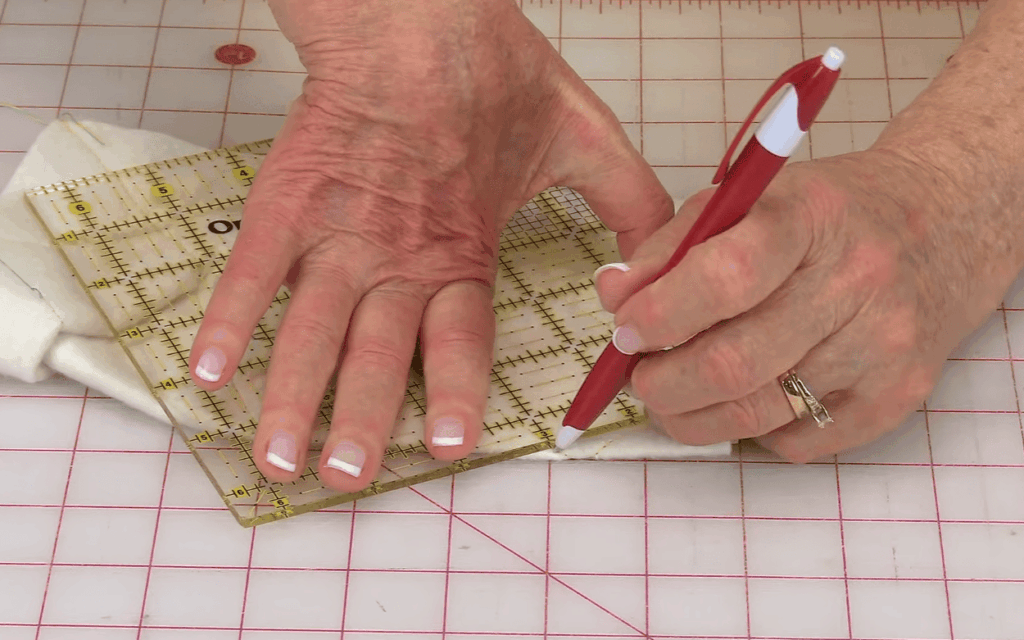
Creative Uses for Fat Quarters in Gifts
Gift-giving becomes deeply personal when you craft the presentation as carefully as the gift itself. These versatile fabric cuts let you create thoughtful presents that show extra care.
A fabric gift box is perfect when you lack the ideal wrapping. It serves as both container and bonus present. This sustainable approach replaces disposable paper.
Drawstring bags are wonderfully adaptable. Use a free pattern for a cute ditty bag. It can hold lingerie, shoes, or craft supplies neatly.
Scented potpourri pillows make lovely gifts for Mother’s Day. They add a sensory element to any room. Choose prints that match your recipient’s décor style.
Travel jewelry organizers need three coordinating fat quarters. They keep items tidy on trips. Recipients often marvel at the professional finish.
Many of these diy ideas are popular at craft fairs. They combine practicality with handmade charm.
| Gift Idea | Best For | Materials Needed |
|---|---|---|
| Fabric Gift Box | Sustainable wrapping, reusable storage | 1 fat quarter, interfacing |
| Drawstring Ditty Bag | Packaging small items, organizing supplies | 1 fat quarter, cord |
| Potpourri Pillow | Sensory gifts, home fragrance | 1 fat quarter, potpourri filler |
| Travel Jewelry Organizer | Practical travel solution, personalized gift | 3 coordinating fat quarters |
Personalizing with favorite colors or themes transforms a simple item. It becomes a treasured keepsake that truly shows you care.
Budget-Friendly and Zero Waste Fabric Projects
What if your creative hobby could save you money and reduce household waste at the same time? This powerful combination is possible when you focus on these versatile pre-cuts.
They are incredibly affordable. You can build a handmade collection without a big financial commitment. This lets you experiment with gorgeous fabric prints you might otherwise skip.
Zero waste endeavors are a growing movement. Many patterns are designed to use every inch of material. Only tiny fabric scraps remain, perfect for stuffing.
Using these pre-cuts strategically helps clear your fabric stash. It gives beautiful, hoarded prints a real purpose. Transform them from stored items into functional objects.
Leftover pieces from larger makes are often about the size of a fat quarter. All these patterns work perfectly for your scrap basket. Nothing valuable gets thrown away.
Sustainable alternatives, like fabric bowl covers, show the real-world impact. They replace plastic wrap with stylish, reusable options. This is ideal for picnics and daily use.
The environmental benefits extend beyond fabric use. You create durable items that replace disposable products. Smart stash management through regular making prevents overwhelming accumulation.
Tips and Tricks for Working with Fat Quarters
The difference between a good project and a great one often lies in the preparation steps many makers rush through. Mastering a few key techniques will help you get the most from your material.
Prewashing and Cutting Tips
Many crafters skip prewashing to keep their material crisp. This works well for most items. If you use bright or heavily dyed fabrics, a quick wash prevents color bleeding.
Always measure your piece before starting. Slight size variations are common. This ensures your pattern pieces will fit correctly.
Look for patterns written specifically for these pre-cuts. Their cutting instructions are optimized for the shape. This saves time and reduces errors.
Enhancing Durability in Projects
For items like bags or organizers, add structure. Fusible fleece or heavyweight interfacing provides longevity. Your makes will withstand regular use.
Proper pressing after each seam is crucial. It creates crisp, professional finishes. It also helps maintain accuracy when sewing.
Keep your collection organized by color or theme. You can quickly find coordinating fabric when inspiration strikes. This protects your beautiful materials.
Advanced Fat Quarter Pattern Techniques
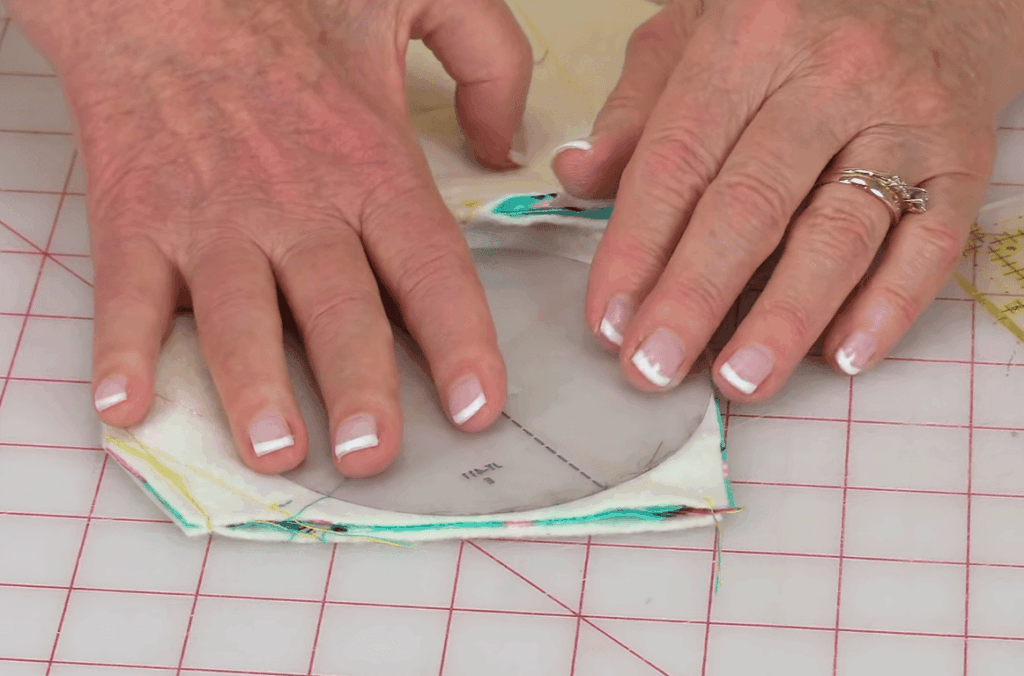
Mastering pattern mixing and innovative quilting opens a world of sophisticated design possibilities with your fabric collection. Moving beyond basic makes lets you create intricate, statement pieces that showcase your growing skills.
These methods transform simple pre-cuts into complex finished works. They rely on clever construction and a keen eye for design.
Mixing Patterns Effectively
Successful combinations balance scale, color, and style. Aim for a mix of large, medium, and small-scale prints. Include solids or textures for visual rest.
“The magic happens when you pair a bold floral with a subtle stripe. Let one print be the star and the others play supporting roles.”
Pre-coordinated bundles are a perfect starting point. Designers have done the hard work of curating colors and aesthetics. This gives you a harmonious base with built-in variety.
Innovative Quilting Methods
Explore techniques that create stunning effects without traditional piecing. The Little Kisses quilt pattern uses clever piecing for an intricate look. It finishes at a generous 64″ square.
Folded fabric methods are another creative avenue. For example, folded potholders use layered 10″ squares from multiple coordinates. This builds texture and dimension.
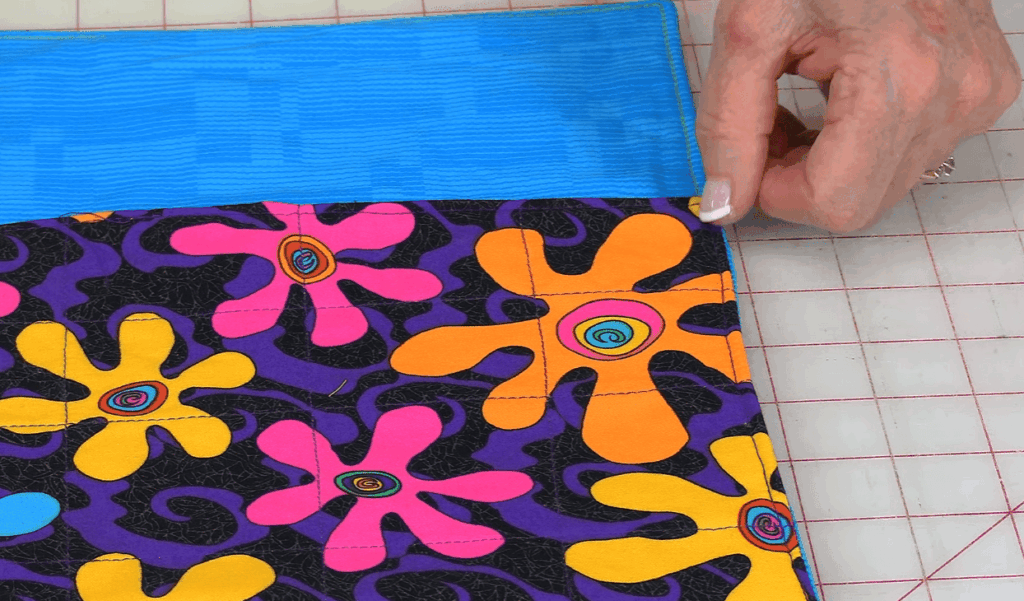
Large-scale endeavors demonstrate impressive scope. A patchwork shower curtain might use 20-25 coordinating pieces. The result is a bold, custom statement.
| Technique | Best For | Skill Level | Key Resource |
|---|---|---|---|
| Pattern Mixing & Color Theory | Creating visual interest, using bundles | Intermediate | Designer-curated fabric collections |
| Clever Piecing (e.g., Little Kisses) | Achieving complex looks efficiently | Intermediate+ | Detailed sewing pattern guides |
| Folded Fabric Construction | Adding texture, no traditional seams | Intermediate | Free sewing tutorials online |
| Large-Scale Patchwork | Making a dramatic home decor impact | Confident Beginner | Accumulating 20-25 coordinating fat quarter pieces |
Challenging yourself with advanced patterns pushes your skills forward. Free sewing resources offer detailed tutorials for techniques like curved piecing. This lets you experiment without a major commitment.
Organizing Your Fabric Stash with Fat Quarters
Why hide beautiful prints when they can become part of your room’s decor? A smart system turns your collection into both storage and display.
Wall displays serve a dual purpose. They keep lovely materials visible and ready for your next creative spark. Rotate pieces like art installations.
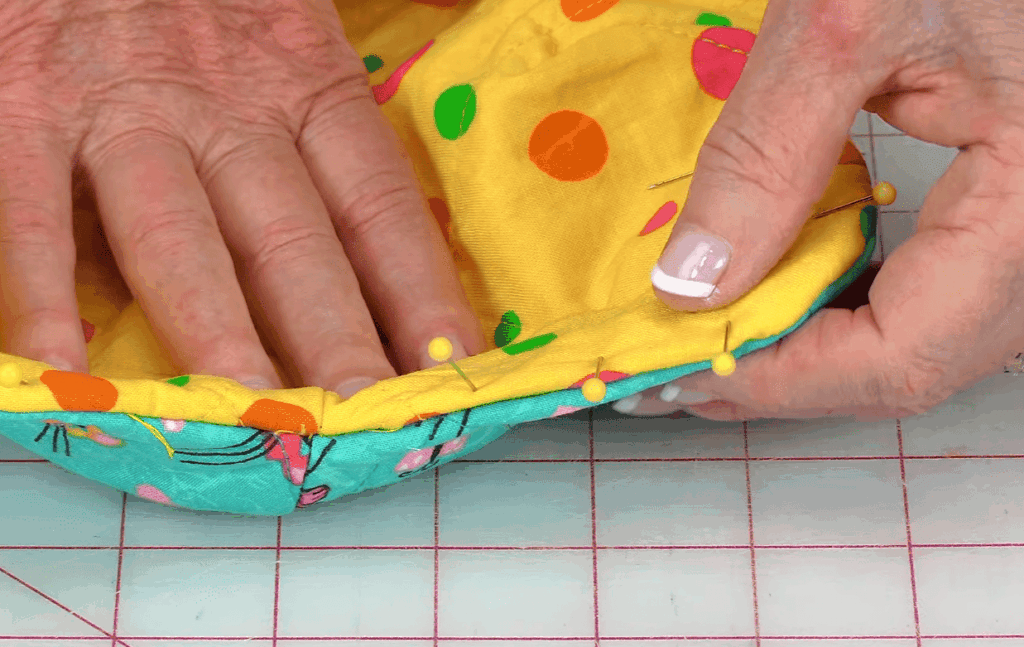
Making containers from your pre-cuts creates a self-sustaining system. You use materials to hold more supplies. This is meta-organization at its best.
Different basket designs suit various needs. Here’s a quick guide to popular types.
| Type | Materials Needed | Best Use | Key Feature |
|---|---|---|---|
| Square Basket | 2 coordinating fat quarters, fusible fleece | Home catch-alls, gift baskets | Sturdy structure, shows off fabric |
| Pocket Pod | 1 fat quarter (varies by pattern) | Sewing notions, pegboard organization | Hangs neatly, keeps small items visible |
| Fold-Up Basket | 2 fat quarters (exterior/interior), interfacing | Seasonal storage, project corralling | Collapsible, minimal waste |
These handmade solutions let you control colors and sizes. You build a cohesive, personalized system. It’s functional and celebrates the fabric you own.
Conclusion
The true magic of these pre-cut materials lies in their ability to inspire endless creativity. This guide has shown how accessible and versatile they are for makers of every level.
Their unique size offers a perfect balance. You can create substantial items while freely experimenting with bold prints and new techniques.
Whether organizing your home, clearing a stash, or crafting heartfelt gifts, these pieces are the ideal starting point. Remember, it’s about transforming beautiful material into functional art.
Begin with simpler fat quarter projects to build confidence. Then, explore more complex patterns to expand your skills.
The supportive sewing community offers countless free resources. Dive into your collection with excitement, knowing every piece holds potential for something uniquely yours.