Did you know that crafters can lose up to 15% of their creative time just searching for supplies? That’s hundreds of hours over a year spent on clutter, not creation.
Imagine having a dedicated spot where every thread, button, and fabric piece has a home. For many, this dream feels out of reach due to tight budgets or limited square footage.
The good news is you don’t need a massive, dedicated area. With smart planning and versatile furniture, you can carve out a highly functional craft zone. Affordable solutions exist that adapt to your life, whether you’re using a closet, a corner, or a multi-purpose room.
This guide is your blueprint. We’ll walk through planning a layout that works, selecting the right work surfaces, and taming the chaos of materials. You’ll also learn how to add personal flair that makes the area truly inspiring.
From beginners to seasoned pros, anyone can build a place where projects flow smoothly and joyfully. Let’s explore how to make it happen.
Key Takeaways
- Transform any corner or nook into a highly organized and inspiring craft haven.
- Leverage versatile, modular furniture designed to fit multi-functional living spaces.
- Discover clever storage hacks to keep all your tools and materials within easy reach.
- Learn ergonomic tips to create a comfortable workspace for long stitching sessions.
- Get inspired by real-life examples from other makers who have built their dream spaces.
- Create a flexible area that evolves as your skills and collection of supplies grow.
- Achieve a beautiful, personalized result without straining your budget.
Introduction: Discovering IKEA Sewing Room Ideas
Over the years, countless makers have adapted their creative spaces as their lives changed. Whether a family grows or a hobby turns into a business, the need for a functional area evolves. Versatile furniture from IKEA has become a go-to for building craft zones that can be reconfigured.
This guide is built from real experiences. It draws from enthusiasts who have set up five or more different work areas over time. You’ll discover what truly works as needs shift.
What to Expect from This Guide
We provide detailed insights into popular furniture lines. These include the Linnmon desk system, Kallax storage units, and Alex drawers. These items are staples in craft spaces worldwide.
Learn to maximize even the smallest spots. Create a multi-purpose zone that functions as a craft area, home office, and more. You won’t sacrifice functionality.
Your creative corner should grow with you, not hold you back.
Expect specific product recommendations with honest assessments. We cover storing thread, bobbins, patterns, and fabric scraps. This saves you both time and money by avoiding common mistakes.
| Focus Area | What You’ll Learn | Popular Product Lines |
|---|---|---|
| Space Planning | How to assess your area and plan a layout that flows. | Linnmon tabletops, adjustable legs |
| Storage Solutions | Smart ways to organize bulk supplies and tiny accessories. | Kallax units, Billy bookcases |
| Multi-Purpose Design | Integrating a craft zone into a living area or office. | Foldable tables, mobile carts |
| Inspiration & Decor | Adding personal flair to make the space truly yours. | Frames, lighting, plants |
This resource helps you make informed decisions. The goal is a setup that meets your functional needs. It should also inspire creativity every single day.
Planning Your Ideal Sewing Room Layout
Before diving into furniture choices, taking time to map out your available area is the most critical step. A thoughtful plan ensures every inch supports your creative process.
Assessing Your Space and Needs
Start by measuring your actual square footage. Be honest about whether you have a dedicated nook or a shared multi-purpose zone.
Consider your primary projects. Do you focus on garment construction or quilting? Your activities dictate what you need within arm’s reach.
Think about your natural workflow from start to finish. You’ll need a comfortable spot for your machine, a sturdy surface for cutting, and a nearby ironing station.
Measure twice, plan once. Your future self will thank you for the foresight.
Lighting is crucial for precision tasks. Identify dark corners that need supplemental lamps. Also, decide if you prefer an open, inviting setup or a contained space that can be tucked away.
Choose modular furniture that can grow with you. Your skills and supply collection will evolve.
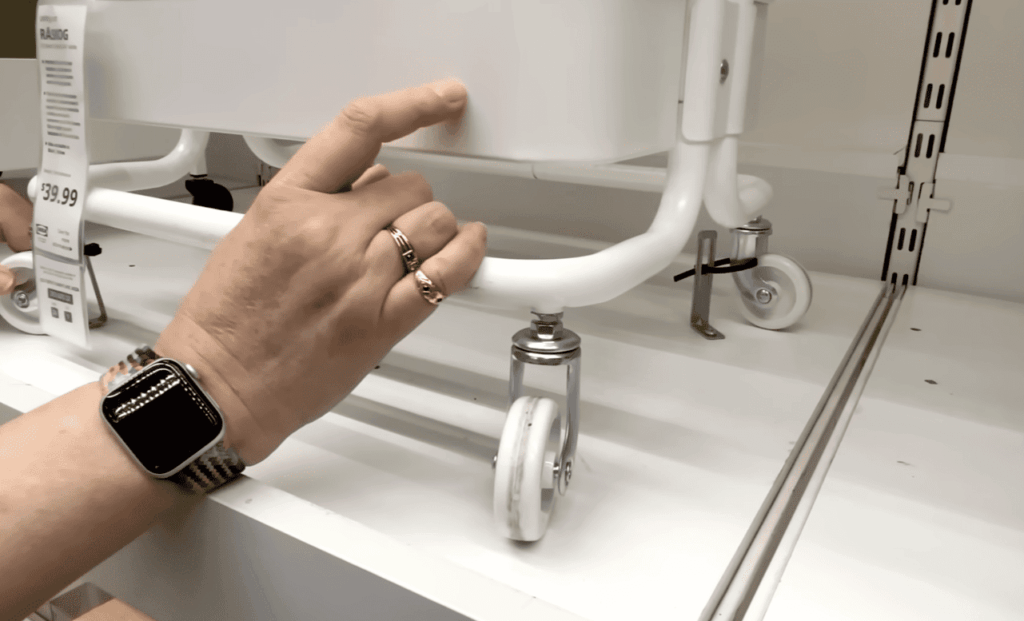
| Layout Consideration | Key Question | Practical Tip |
|---|---|---|
| Space Assessment | How much floor area do I truly have? | Create a simple floor plan, noting doors and outlets. |
| Workflow Zones | Where will I sew, cut, and press? | Keep these three stations in a triangular flow. |
| Lighting | Is there enough light for detailed work? | Add adjustable task lamps near the machine and cutting table. |
| Future Growth | Will my needs change in a year? | Select stackable or reconfigurable storage units. |
The perfect layout works for your specific habits. Focus on function first, and let inspiration follow.
Choosing the Right IKEA Work Surfaces and Desks
Selecting the perfect desk can make the difference between a frustrating session and a productive, enjoyable one. Your work surface is the command center for every project.
It needs to be sturdy, spacious, and tailored to your workflow. The right choice keeps your tools organized and your mind focused.
Linnmon Table Top Insights
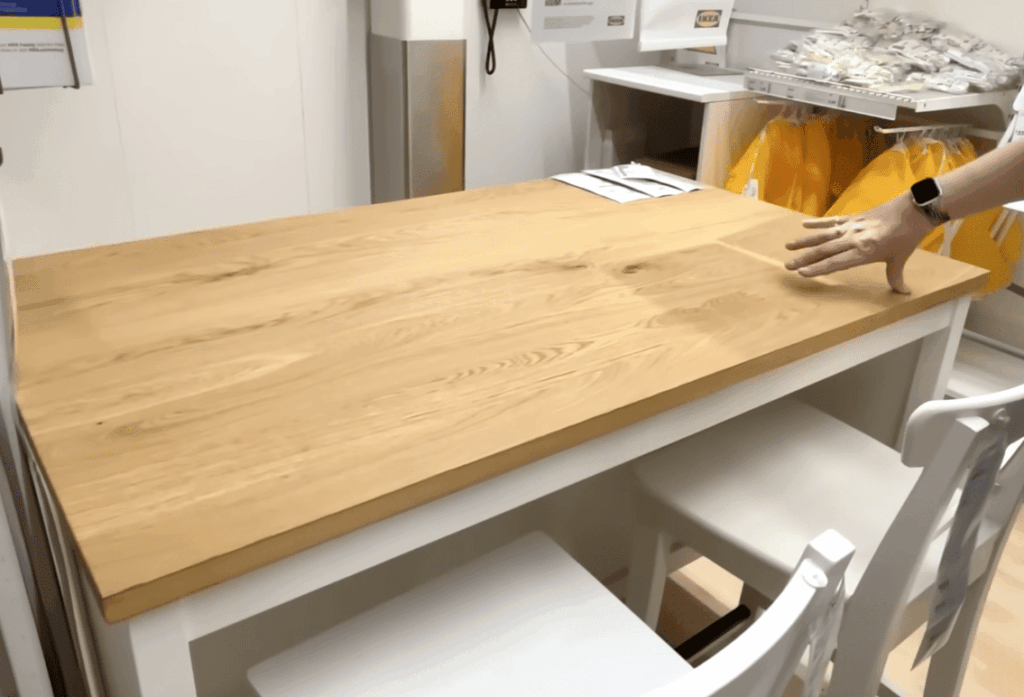
The Linnmon table top system is a crafter’s dream for its incredible flexibility. Think of it like a grown-up Lego set.
You first pick your preferred desktop size and color. Then, you mix and match various leg and support options.
This approach lets you build exactly what you need. Key features include:
- Surprisingly affordable prices, ranging for different sizes.
- Multiple finishes like white, black-brown, and light wood tones.
- A size range large enough to host multiple machines at once.
Customizable Desktop Configurations
One popular setup is a double-wide Linnmon top with Alex drawer units on each side. This creates a massive work surface with built-in storage.
Having dedicated drawers in your desk is life-changing. You stop constantly getting up for scissors or bobbins.
All products in the “table bar system” are designed to work together. You can confidently mix parts knowing they will fit.
The modular nature means you can start simple. Expand later with more units or even create an L-shaped configuration as your space grows.
Ergonomic Chairs & Functional Seating Options
Comfort is king when you’re settling in for hours of detailed work at your machine. The right seat supports your body and your creative flow.
Investing in a quality chair is essential. You’ll spend long periods on projects. Poor seating leads to back pain and fatigue.
Top Seating Picks for Long Sewing Sessions
The SKALBERG/SPORREN chair is a top recommendation. Its height adjustability lets you find the perfect position relative to your desk.
The contoured seat design provides excellent support. It cradles your body to prevent discomfort from flat surfaces.
Proper posture is crucial. Your feet should rest flat. Your elbows should be near 90 degrees when your hands are on your project.
Eye level should let you see the needle area without hunching. This alignment reduces strain over time.
If a new chair isn’t in the budget, consider a supportive seat cushion. A good cushion from Amazon can add ergonomic support and relieve spinal pressure.
| Feature | Benefit | Consideration |
|---|---|---|
| Height Adjustability | Allows perfect alignment with your work surface and machine. | Ideal height depends on your body and desk setup. |
| Contoured Seat | Cradles the body to prevent discomfort during long sessions. | Comfort matters more than color for extended use. |
| Supportive Add-ons | A cushion can transform an existing chair for better posture. | A cost-effective way to improve comfort immediately. |
Spending a little extra on a good chair pays off. It boosts comfort and productivity, making ambitious projects more enjoyable.
Smart Storage Solutions for Sewing Supplies
A well-organized craft space hinges on finding homes for both bulky materials and tiny trims. The right systems keep your workflow smooth and your mind clear.
Large Storage Units for Bulk Items
For volume storage, cube-style shelving is legendary. These units come in multiple sizes like 2×2 or 4×4. You can fit them perfectly into your available wall space.
One brilliant setup places a large tabletop across two 2×2 units. This creates an elevated cutting surface with hidden storage below. It’s ideal for fabric scraps, patterns, and rotary tools.
Tall bookcases with doors offer another great option. Their shallow shelves hold substantial fabric amounts. They also keep everything dust-free and visually tidy.
Compact Options for Small Accessories
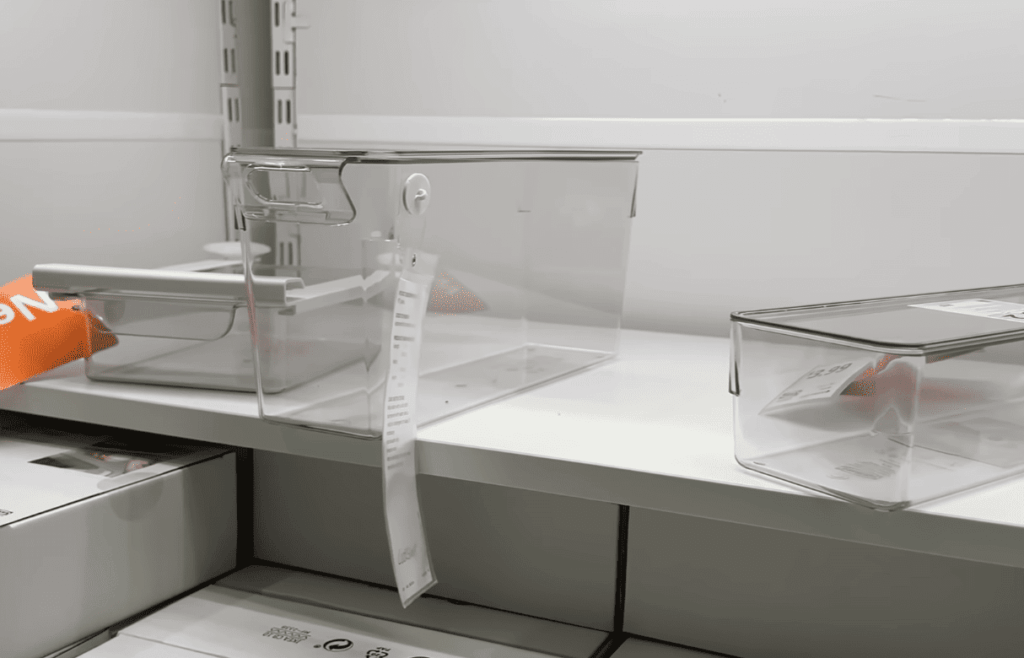
Small items like buttons and zippers need dedicated homes. Classic bins are perfect for categorizing these notions. Clear labeling saves you from frantic searches later.
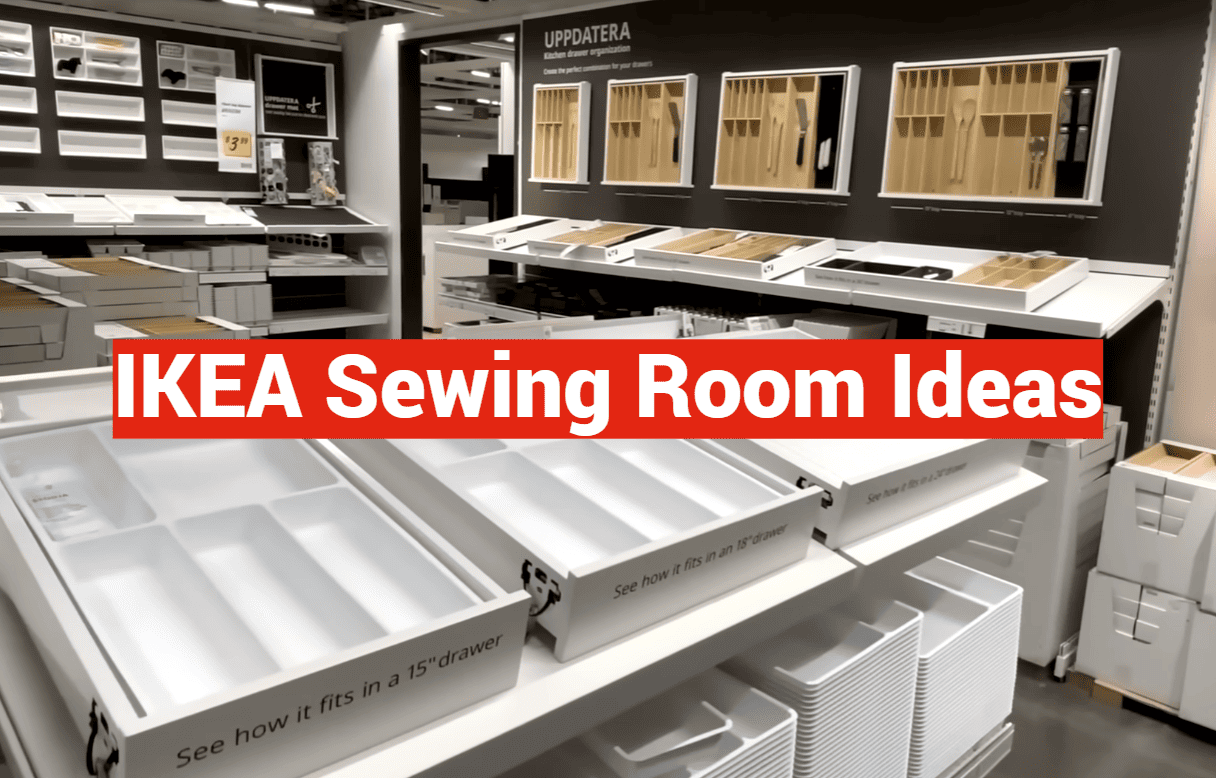
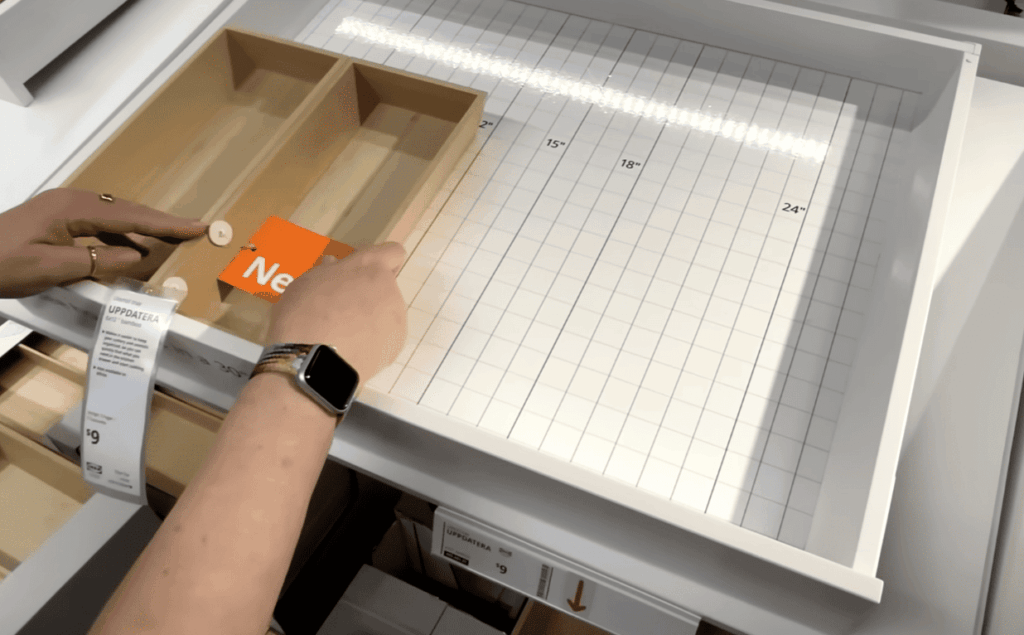
Drawer inserts transform open cubes into concealed storage. Use them for ribbons, bias binding, and lace. Wire basket drawers inside cabinets allow air circulation for fabric.
Consider a mix of open and closed storage. Open shelves display inspiring fabric colors. Closed cabinets hide less-used supplies to reduce clutter.
| Storage Type | Best For | Key Feature |
|---|---|---|
| Cube Shelving | Bulky fabric bolts & project bins | Modular cubes with insert options |
| Tall Bookcases | Large fabric quantities & supplies | Doors for dust protection |
| Small Bins & Drawers | Notions, buttons, zippers | Compartmentalized, labeled organization |
Innovative Wall Displays and Organization
Your walls are more than just boundaries; they’re prime real estate for creating an efficient and inspiring workspace. Vertical space is incredibly valuable. Using it well boosts your storage and keeps favorite items visible.
Magnetic Knife Racks and Bulletin Boards
Magnetic knife racks are genius for metal tools. Mount them high to keep sharp items safe. They also organize metal bobbins neatly.
A cork bulletin board is perfect for pinning pattern pieces. It holds inspiration images and works-in-progress. Place it near your machine for easy access.
Pegboard and Floating Shelf Ideas
The Skådis pegboard system offers clean lines and many hooks. It creates custom vertical storage for rulers and rotary cutters. For a DIY approach, find a great online tutorial.
Floating shelves provide display space without brackets. They can hold decorative items or supplies. Consider them above a cutting table for handy tools.
Plan your wall storage for visual balance. A thoughtful display is both functional and inspiring. It turns your wall into a true asset.
IKEA Sewing Room Ideas
Transforming a simple corner into a professional-looking craft studio is easier than you think with the right furniture combinations. Many enthusiasts achieve a custom built-in appearance without the high cost.
Combine wardrobes with bookcases to create cohesive wall units. This approach stores supplies in an aesthetically pleasing way. It keeps everything accessible yet tidy in main living areas.
Pegboard walls turn tools into functional art. They display scissors, rulers, and bobbins with pretty details. This method saves desk space and adds personality.
Desk setups offer ample surface area and drawer storage. Shelving units paired with butcher block tops create warm work surfaces. These hacks look more like fine furniture than budget projects.
The Havsta line, originally for living rooms, works wonderfully in craft spaces. Its classic styling and functional design support serious operations. Real examples show dual machine setups with gorgeous cabinets.
| Furniture Hack | Best For | Key Benefit |
|---|---|---|
| Wardrobe & Bookcase Built-ins | Cohesive storage in shared spaces | Creates a custom, expensive look affordably |
| Pegboard Display Walls | Organizing small tools & accessories | Maximizes vertical space with visual appeal |
| Butcher Block Tabletops | Durable, attractive work surfaces | Elevates basic shelving into studio-grade furniture |
| Havsta Line Cabinets | Fabric storage & classic styling | Brings living room elegance to craft zones |
These real-world ideas demonstrate thoughtful planning. Creative combinations yield spaces that rival custom studios. The right products make your dream area achievable.
Multi-Purpose Furniture for Versatile Spaces
When square footage is limited, the right furnishings can unlock a room’s potential to host diverse activities. Most households lack a dedicated room for just one hobby.
Creating an effective multi-purpose area is essential for modern home organization. It allows different tasks to coexist peacefully.
Integrating Office and Craft Areas
Many successful setups double as home offices. One side holds a machine and fabric, while the other accommodates a computer and files.
This blend supports running a business or managing household tasks. It keeps all your projects in one convenient space.
Integrating kids’ art supplies creates wonderful family togetherness. Children can draw or do homework nearby while you work.
The key is choosing furniture that serves double duty. For example, use storage units where upper cubes hold sewing supplies.
The bottom row can contain toys and art materials. This keeps everyone’s items organized yet accessible.
| Furniture Solution | Primary Use | Secondary Use |
|---|---|---|
| Modular Cube Units | Fabric & craft storage | Kids’ toy & art supply bins |
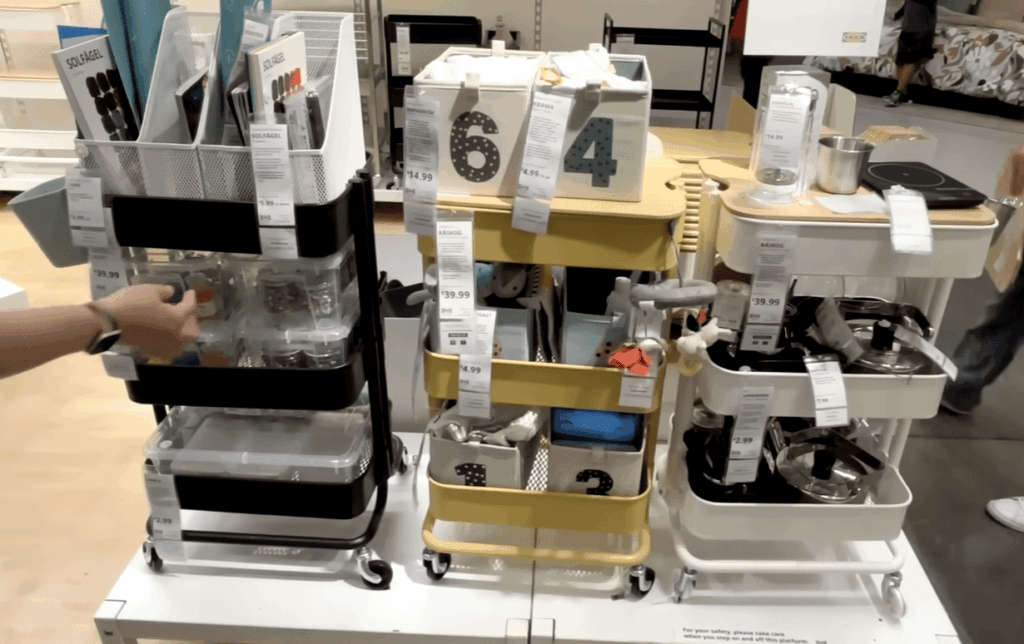
| Mobile Carts | Tool organization | Homework station or side table |
| Neutral Color Schemes | Creates cohesive look | Allows diverse items to blend visually |
Designate clear zones within your multi-purpose room. This prevents frustration when everything gets jumbled together.
Accept that these spaces will sometimes be messier. The trade-off is being present with family while pursuing your craft.
Consider pieces on wheels for easy reconfiguration. Your area can shift from a sewing station to a homework hub in minutes.
A cohesive, neutral palette helps office gear, craft supplies, and children’s items coexist. It avoids visual chaos and feels calm.
Budget-Friendly IKEA Hacks for Quick Refreshes
Sometimes, the most impactful updates to your workspace come from simple, clever tweaks. You don’t need a big budget to give your creative corner a fresh feel.
The modular nature of IKEA furniture is a huge advantage. You can start with a basic desk or shelf unit. Then, add more pieces over time as your space and budget grow.
Simple hacks make a big difference. Adding decorative contact paper or a coat of paint to a plain desktop transforms its look for just a few dollars.
One popular tutorial shows a great way to personalize a standard ironing board. Recover it with fun fabric that matches your décor. This turns a purely functional item into something that sparks joy.
For better functionality, consider removing vertical dividers from a cube unit. This creates wider spaces for larger equipment like a Cricut machine. Adding legs or casters to a storage unit makes it mobile and more useful.
Look online for creative tutorials that combine product lines in new ways. Sometimes the best ideas use furniture in unexpected craft projects.
Quick refreshes work wonders, too. Reorganize your existing storage and add clear labels. Install a few new wall-mounted accessories. These small things can make your entire sewing room feel completely renewed.
These affordable craft solutions help you customize your sewing room incrementally. The goal is a space that feels new and inspiring without a major investment.
Creative Decor and Finishing Touches
The final layer of your creative haven isn’t about storage—it’s about soul. Once your functional systems are in place, thoughtful decor transforms a utilitarian workshop into a personal sanctuary. This is where you inject joy and inspiration into every corner.
Affordable accessories make a huge impact. Think wall frames for cherished art prints, stylish clocks, and handy memo boards. These things add personality without a big budget. They help your space feel complete and intentional.
Accessorizing with Plants and Art
Greenery brings life and positive energy to any room. If you lack a green thumb, high-quality artificial plants offer all the visual benefits. They provide that touch of nature without any maintenance worries.
Art is equally powerful. Choose pieces that speak to your passion, like vintage pattern prints or motivational quotes. Framed fabric swatches can also become beautiful, meaningful wall art. This reinforces the craft purpose of your area.
Personalizing Your Space with Unique Finds
Your home studio should tell your story. Display personal treasures, like a vintage wooden sewing figure or souvenirs from travels. These items add layers of sentiment you can’t buy new.
Consider functional décor, too. Store colorful buttons or felt balls in clear glass jars. They become attractive displays that celebrate your supplies. Create a small vignette with favorite fabrics or finished projects for instant visual motivation.
Most importantly, let your personal style lead. Embrace bright colors if you love them, or cultivate minimalist calm. Your sewing room should be a true reflection of you, not a copy of someone else’s perfect picture.
Organizing Ideas for Other Craft Supplies
Beyond your primary tools, managing the broader collection of materials is key to maintaining an efficient workflow. A dedicated system for all your items brings peace and prevents creative blocks.
Focus on three main categories: fabric, patterns, and tools. Efficient storage for each keeps your projects moving smoothly.
Storing Fabrics, Patterns, and Tools Efficiently
Your fabric collection needs a logical home. Sort scraps by size or type in open cubes for quick visibility. Use wire basket drawers inside cabinets for larger pieces. This allows air circulation and prevents musty odors.
Paper patterns stay neat in their original envelopes. File them vertically in magazine holders. For PDF patterns, print and store in large labeled envelopes. You can also roll uncut versions and stand them in bins.
Keep all your tools together in a designated zone. A shallow drawer with dividers works for scissors and rulers. Look to other craft disciplines for clever organization ideas. Methods for yarn or vinyl can inspire your own systems. Don’t forget any available closet space for hanging organizers.
| Supply Type | Storage Challenge | Recommended Method |
|---|---|---|
| Fabric & Scraps | Preventing bulk and disorder | Cube units for scraps; wire drawers for yardage |
| Paper Patterns | Easy browsing and access | Vertical filing in magazine holders |
| PDF Patterns | Managing printouts and rolls | Large labeled envelopes or upright bins |
| Cutting Tools | Safety and quick access | Divided shallow drawers or wall-mounted boards |
Creating a home for every material transforms your creative process. You’ll spend less time searching and more time making.
Expert Tips on Long-Term Organization and Maintenance
An organized craft area is never a finished project; it’s an ongoing conversation between you and your creative process. Effective organization is about adaptability, not perfection. Your needs will shift over time as your skills grow and your projects become more complex.
Adapting Your Setup as Your Needs Evolve
Before committing to permanent labels and systems, live with your basic layout for a few weeks. This trial period reveals which tools you actually use daily versus those that gather dust. It saves you valuable time and effort in the long run.
Many seasoned creators have configured five or more different workspaces over their lifetime. Each iteration teaches valuable lessons about functional flow versus aesthetic appeal. Your ideal setup is discovered through practice, not just planning.
Choose modular furniture that can be reconfigured or expanded. This flexibility allows your space to grow with your ambitions. Regularly edit your supplies, donating items unused for a year to make room for new materials.
Pay close attention to frustrations in your current arrangement. These pain points are direct feedback on what needs adjustment. Remember, adapting your space isn’t a failure—it’s proof you’re actively creating and learning what works best for your unique way of making.
Conclusion
Your dream sewing space isn’t a distant fantasy. It’s a practical reality waiting to be assembled from versatile IKEA components. With modular furniture like Linnmon desks and Kallax units, you can craft a highly functional workspace that fits any budget.
The best setups balance a sturdy table for projects with smart storage behind doors. Your creative area will evolve as your skills grow. Start with a few key pieces and add more shelves over time.
Don’t be afraid to experiment with layouts from online ideas. Let your personal style shine. Now, grab your tape measure, pick your favorite products, and start building. Your next beautiful creation awaits!